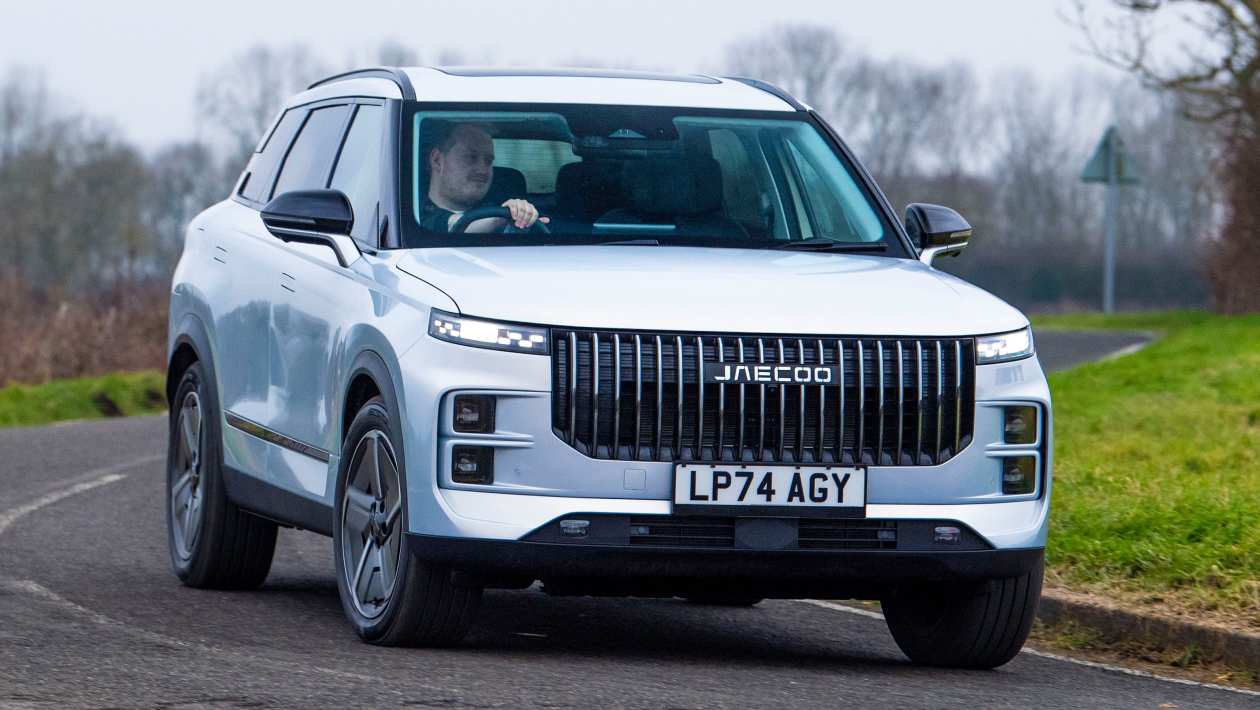
Insight director at automotive analytics firm Cox Automotive, Philip Nothard, said: “The increasing influence of Chinese manufacturers is impossible to ignore. Their growing presence is stimulating competition and a greater range of consumer choice. It is also intensifying pressure on established brands, especially as the industry continues to work towards increasingly demanding EV targets.”
The mass adoption of Chinese cars isn’t the only visible shift in consumer behaviour; September also saw electric cars account for 28 per cent of all new cars registered, with hybrid and plug-in hybrid models comprising a combined 30 per cent of market share. At the same time, the share for petrol fell from 45 per cent in September last year to 38 per cent in 2026, while diesel remained steady at just four per cent.
With electrified cars now accounting for more than half of all new cars sold, SMMT chief executive, Mike Hawes, hailed the progress as a “major achievement”.
“Drivers are increasingly embracing the growing choice of models made available and high fuel prices are also undoubtedly giving more consumers reason to consider going electric,” Hawes said. “The industry’s commitment is clear with billions of pounds of investment in new models, new technology and incentives.”
Yet while September’s registration figures are certainly cause for celebration, the UK car market remains behind ZEV Mandate targets which, for 2026, require manufacturers ensure a third of their sales are full EVs in order to avoid fines. This has led to makers heavily discounting models – something deemed unsustainable by the industry – and even then still struggle to hit targets.
The UK Government has hinted that it will relax certain elements of the Mandate to give manufacturers more breathing space, although it doubled down on its commitment to the 2030 phase-out of pure-petrol and diesel cars, as well as the 2035 deadline for hybrids. Nevertheless, Hawes described the Mandate review as “an opportunity to review those factors, to build on this momentum and support consumers but, in doing so, strengthen business viability and UK competitiveness”.