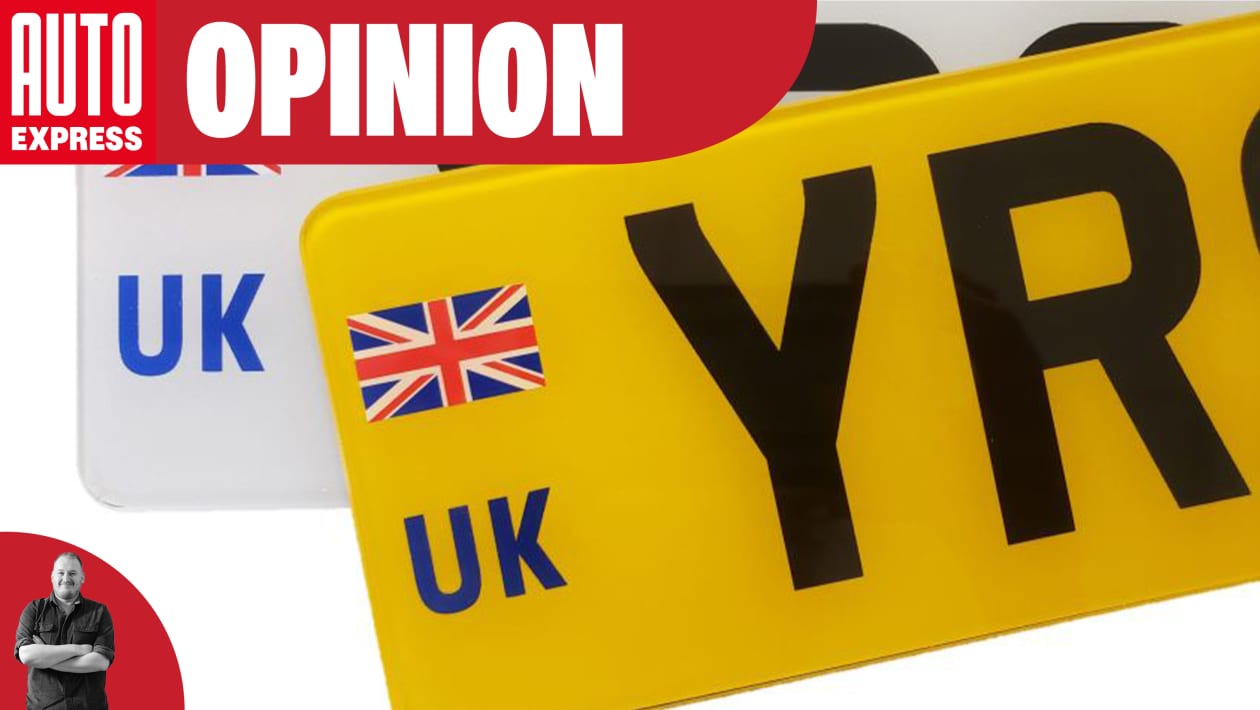
Many European countries don’t allow for custom text or vanity modifications to number plates either. But here, the DVLA generates in the region of £300 million a year in revenue from selling cherished personalised number plates (a large majority of which need to be illegally spaced to spell out what the DVLA suggests they might say).
Consider, too, the penalties given out for being caught using an illegal ghost plate. In the UK, it’s a £100 fixed penalty notice, potential prosecution with fines up to £1,000 and an automatic MoT failure. In France, however, the standard fine is 135 euros (around £115), but using completely false or manipulated plates to evade detection can result in fines of up to 30,000 euros (£25,545), cancellation of your driving licence and even prison time.
Some will say that harsh a punishment maybe too extreme if drivers are only using ghost plates and other tactics to dodge speeding fines, toll fees and clean air zone charges. But ghost plates and other tactics also shield car thieves and violent criminals from police, and for those emboldened by their ability to beat the automated cameras heavily relied on for traffic enforcement, more dangerous driving inevitably follows.
I don’t want to sound like a controversy theorist, but I’m sceptical that the Government would want to jeopardise the tidy revenue stream it gets from the DVLA with any sudden, seriously tight new regulations around number plates. However, it feels like systemic changes of the laws regarding number plates and how they’re distributed are now necessary.