London’s buses are an icon the world over, famed for their pillar-box red livery. But underneath this simple branding is a more complex picture, with eight different private companies contracted to run nearly 700 bus routes for TfL (including Arriva, First Bus and Metroline). Now, TfL is starting up its own bus operator, , in a bid to take back control of the city’s sprawling network.
For London’s mayor Lord Sadiq Khan, the benefits are simple. The plans for Buses For London have been drawn up in consultation with transport union Unite and are intended to boost safety, reliability, and energy efficiency. Even more importantly, all the new publicly owned bus company’s profits will be reinvested straight into improving London’s transport network.
So what does this shift mean for passengers? Well, that depends where you live. Buses For London will initially run a fleet of 100 zero-emission vehicles, which will be based at the Park Royal depot in west London. Its first route will be , between Willesden and Victoria station, starting in late 2027. Four more routes (yet to be announced) will then come into operation from 2028.
That means that the biggest impact of the scheme will centre on the Old Oak and Park Royal area, which is currently undergoing major regeneration, with plans for 25,000 new homes as part of a brand new town. Still, if Buses For London proves to be as profitable as its designers hope it will be, it’s likely that the project will be expanded, taking on some of the existing private operators across the network.
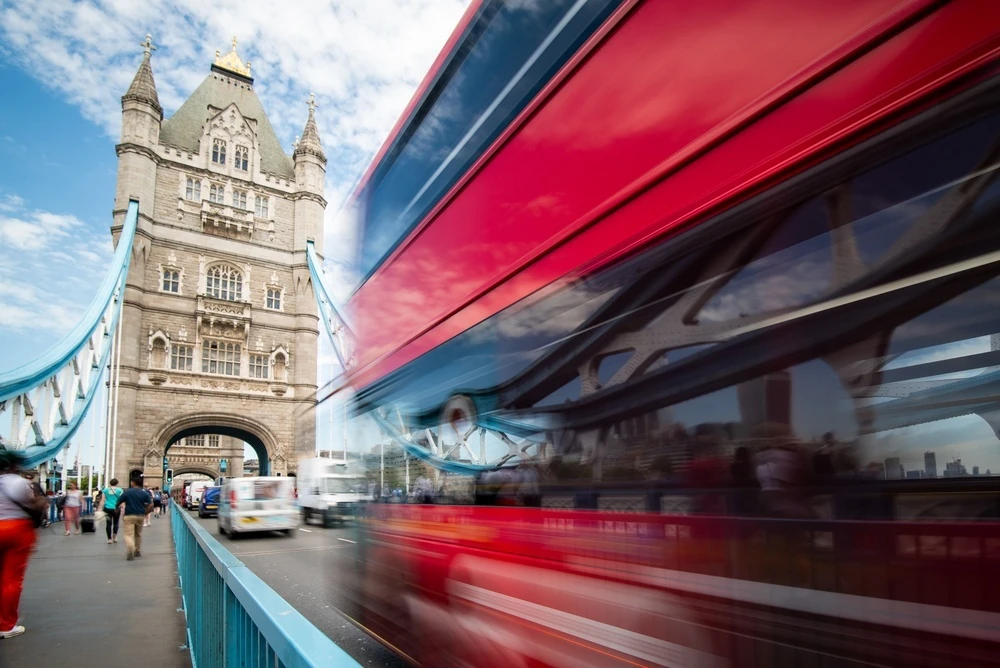
In his announcement of the plans, Khan said: ‘London’s iconic red buses are a vital lifeline for many people, which I’m committed to supporting. Sometimes that means taking bold new approaches, so that our world-leading transport network can deliver even more for all those who rely on it.’
Unite’s General Secretary Sharon Graham agreed, saying: ‘For too long bus workers have been subjected to intolerable working conditions and passengers have experienced worsening services while bus firms and their shareholders rake in huge profits. Today's news is a positive step.’
Of course, there have been some naysayers amongst the Conservative MPs, who have argued that there’s no proof that the new publicly owned company will be more efficient than its private rivals. But it feels like an experiment that's worth trying, on the road to creating a bus network that works better for everyone.
Euston station is getting a massive makeover: here’s a list of all the changes.
Get the latest and greatest from the Big Smoke – from news and reviews to events and trends. Just follow our Time Out London WhatsApp channel.
Stay in the loop: sign up to our free Time Out London newsletter for the best of the city, straight to your inbox.